There are certain alternative regulatory pathways that are also relevant to the formation of biofilms, which allow bacteria to micro-modulate their response to ever-changing environmental conditions and moderate biofilm formation
The cysteine content of the diet liver Cysteine transport Cystine transport Methionine transport Transsulfuration pathway Cysteine transport Na+ dependent High stereospecificity pH sensitive Not sensitive to adaptive regulation or insulin and glucagon stimulation Both inward and outward flows Influence by the extracellular levels of cysteine, and other system amino acids transporters Cystine transport Na+ independet Influence by pH change Entry of cystine accompanied by an exit of glutamate High intracellular glutamate concentration functions to stimulate the influx of cystine to maintain an adequate balance between cysteine and glutamate inside the cells Influence by : insulin, electrophilic agents and O2
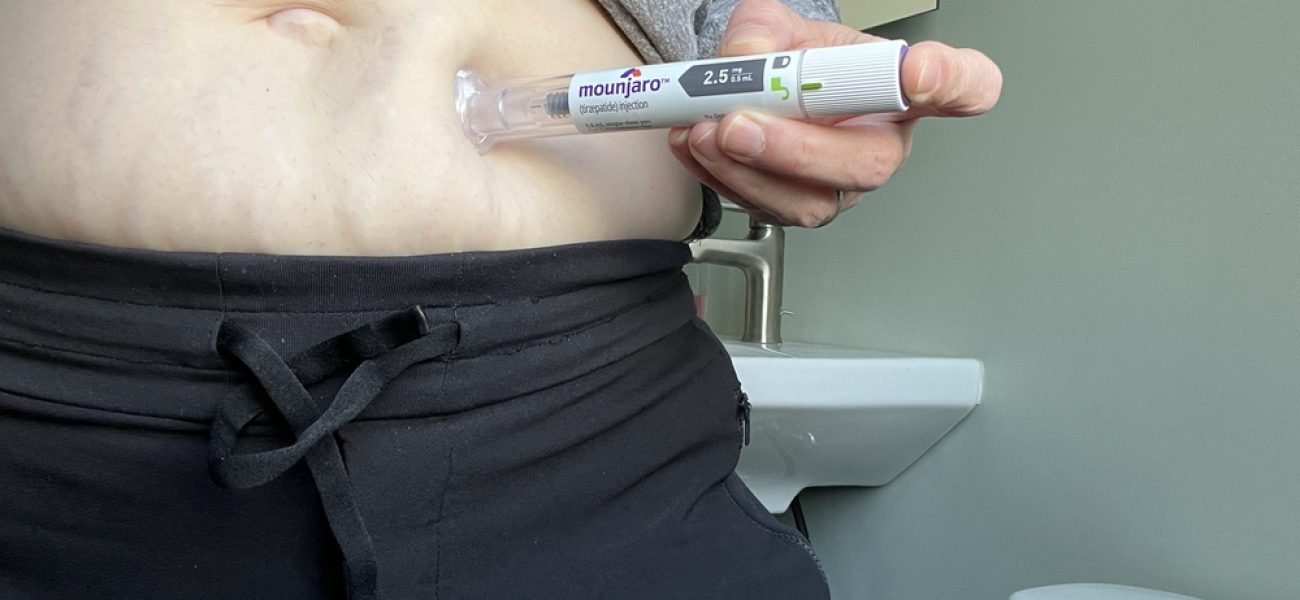
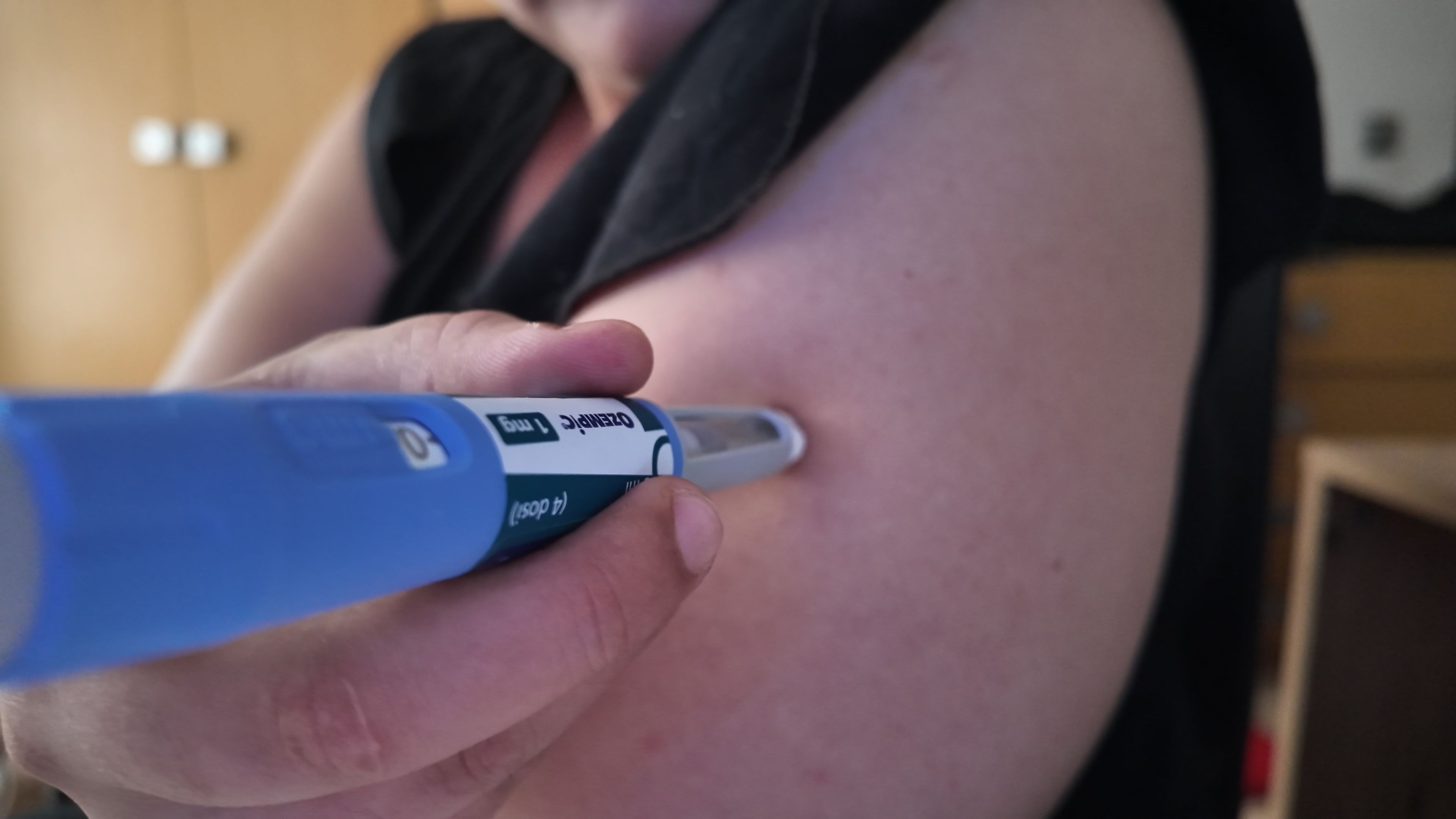
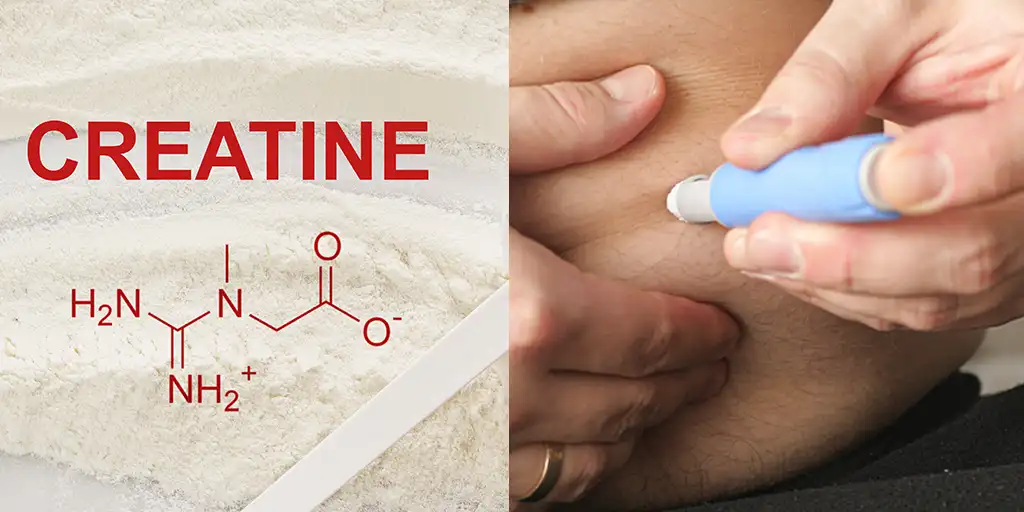
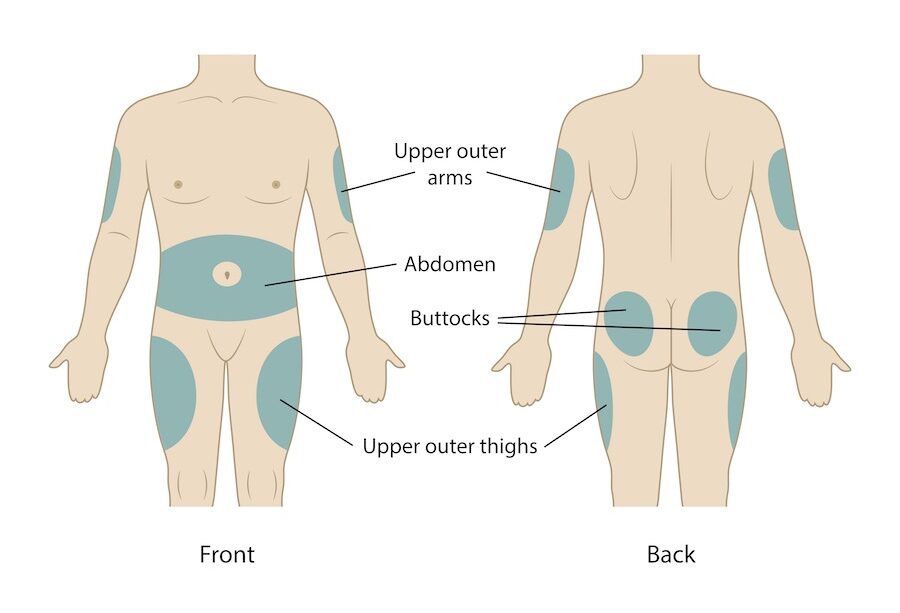
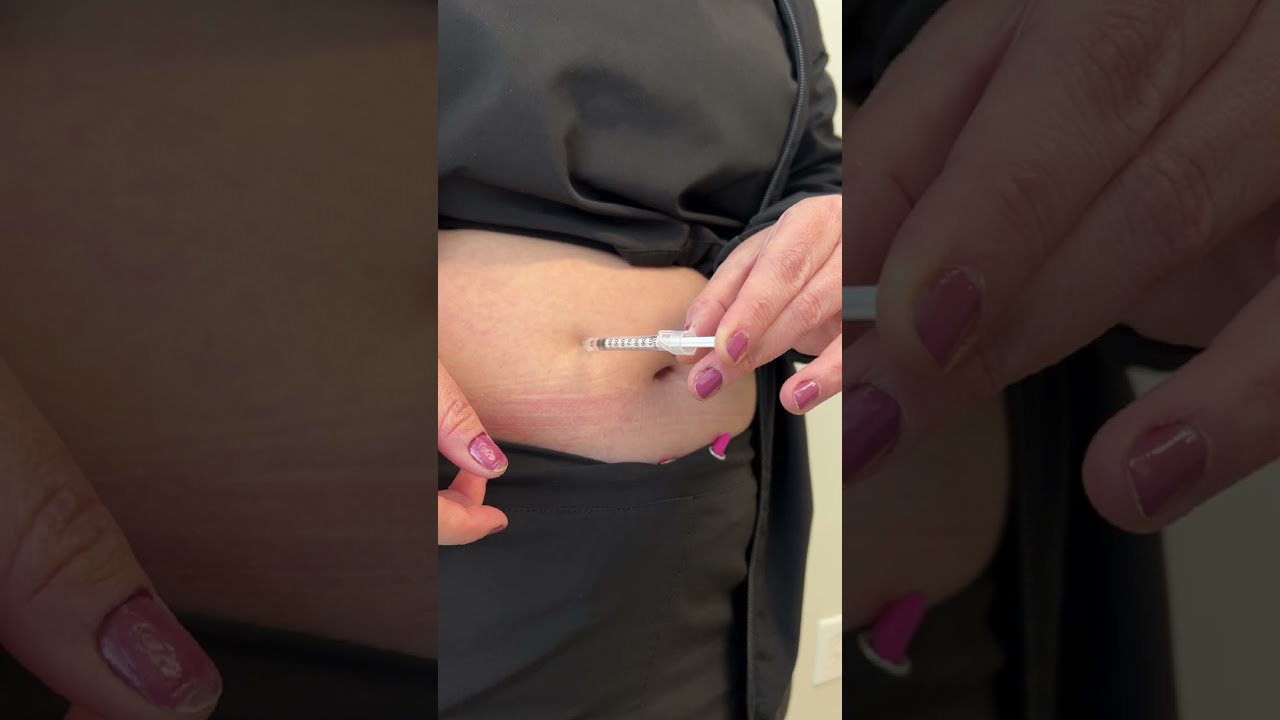
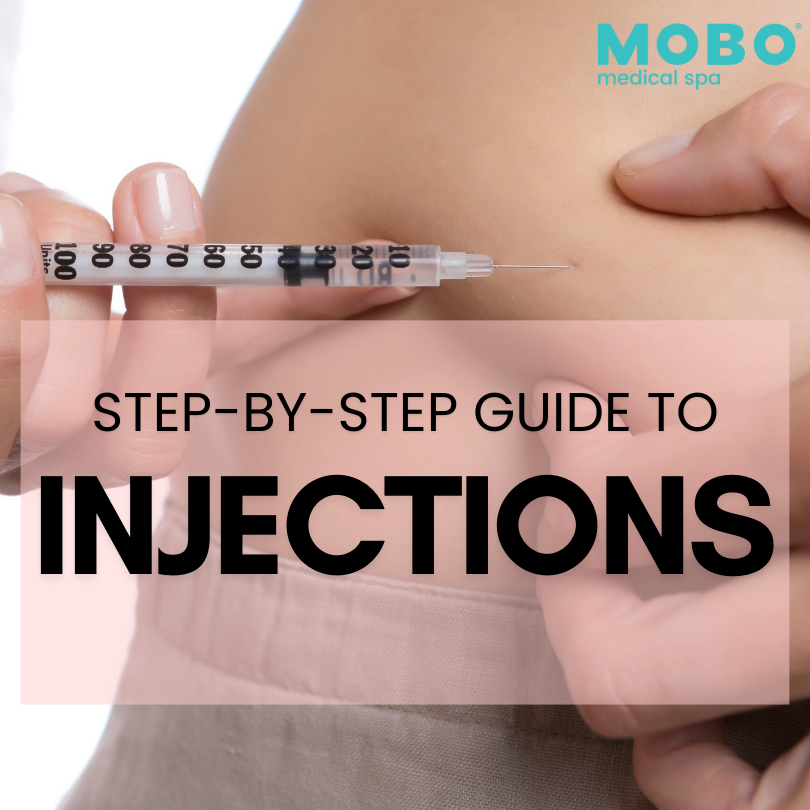
Both sites work well, and rotating between them is more important than which one you pick
However, individuals with very sensitive skin or rosacea may find L-ascorbic acid too harsh, as it can cause irritation
Patients with hyperthyroidism may, therefore, benefit from the administration of cardioprotective agents [51]




:max_bytes(150000):strip_icc()/Health-GettyImages-2236560849-a1934f1e4c004a19835cb508d021388b.jpg)