You might be at higher risk of developing a histamine intolerance if you have a GI disorder, such as: Functional dyspepsia Irritable bowel syndrome (IBS) Irritable bowel disease (IBD), such as ulcerative colitis or Crohns disease Celiac disease Food allergies Malabsorption Small intestinal bacterial overgrowth Colon polyps There you have it
The arachidonic acid epoxygenase, encoded by the CYP3A4 gene, has been shown to bind metformin which results in inhibition of the enzyme
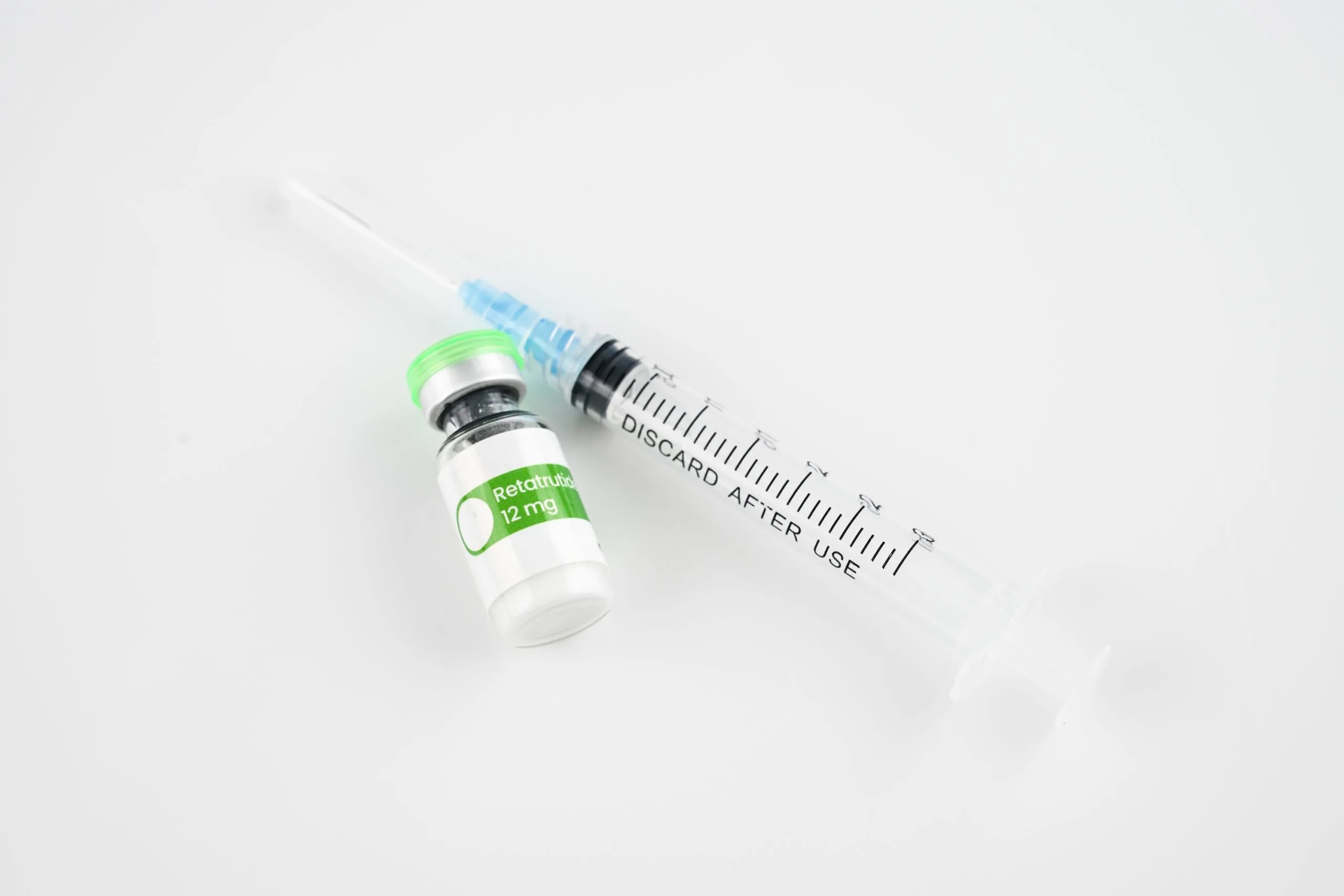
Mistake 3: Not rotating injection sites Why people do it: Creature of habit, find one comfortable spot Why it's bad: Scar tissue builds up (lipohypertrophy) Reduced absorption from scarred areas Harder, more painful injections over time Lumps form under skin Fix: Rotate through at least 8-10 sites
GHK-Cu promotes angiogenesis, the growth of new blood vessels, which theoretically could support tumor growth
In a few cases, cleft lip and palate is associated with: the genes a child inherits from their parents (although most cases are a one-off) smoking in pregnancy or drinking alcohol while pregnant obesity during pregnancy a lack of folic acid during pregnancy taking certain medicines in early pregnancy, such as some anti-seizure medicines In some cases, a cleft lip or palate can occur as part of a condition that causes a wider range of birth defects, such as 22q11 deletion syndrome (sometimes called DiGeorge or velocardiofacial syndrome) and Pierre Robin sequence