Cellulose acetate filters (CAF) CAF are made from cellulose that is acetylated (converted to cellulose acetate), and is dissolved, and spun as continuous synthetic fibers arranged in a bundle called tow, which is plasticized, shaped, and cut to a suitable length to act as a filter.2 These filters are a rod of 12,000 fibers and, fragments of this material, it is known, they separate from it in manufacturing and are released on inhalation of the cigarette.6,7 The efficiency of CAF to remove particles from cigarette smoke is substantially influenced by the length and circumference of the filter, the number and size of the filaments, and the presence of additives in the fibers.2 The selective lack of absorption of this CAF is known except for phenol, but instead they allow cyanide and hydrogen sulphide to pass.2 Again, Pauly et al.6,7 found that the CAF fibers and glass particles were released and therefore ingested or inhaled when cigarettes were smoked
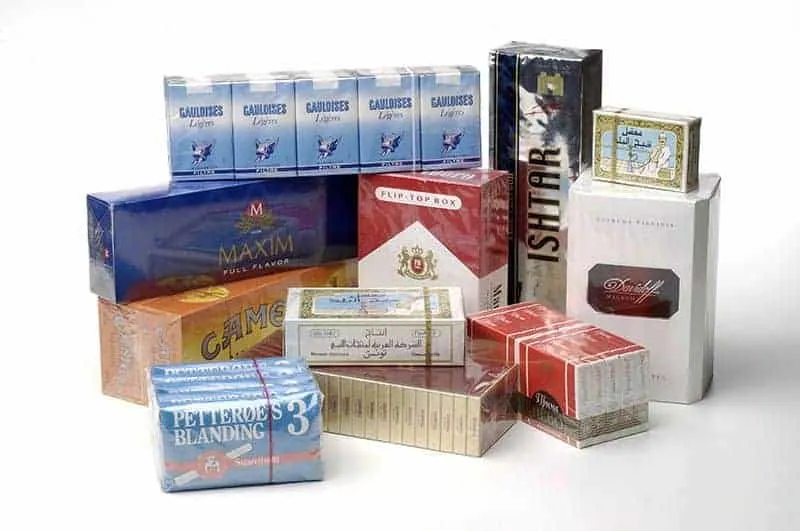
Ideal to use in a tubing machine or alternatively you can use it as a hand-rolling tobacco
Interpreting global trends in type 2 diabetes complications and mortality
Smoking and vaping can have similar harmful cardiovascular effects but each condition causes some potentially harmful effects that the other does not
[/tab] [tab] Here are some examples of displays that are in compliance with the new law







)