3.1.1 Strategic segmentation and targeting Matching users to interventions begins with precise segmentation and stratification based on (a) clinical data (e.g., diagnosis, disease profile, risk level, comorbidities), (b) demographic data [e.g., age, gender, geographic location, area deprivation index (ADI)], (c) sociocultural data (e.g., language, geography), (d) behavioral and psychological data (e.g., health goals, capabilities, behavioral drivers, specific pain points and barriers, priorities, expectations, motivation, readiness, concerns, mental models, beliefs, status quo behaviors or solutions), (e) eligibility information, and (f) engagement data (e.g., prior actions, website/email engagement, etc.)
In the past 50 years, the U.S
The policy also prohibited tobacco retailers in New York City from redeeming tobacco coupons or other tobacco price discounts
The excellent Building Materials Do It Center has the best selection of beach gear and toys on the island
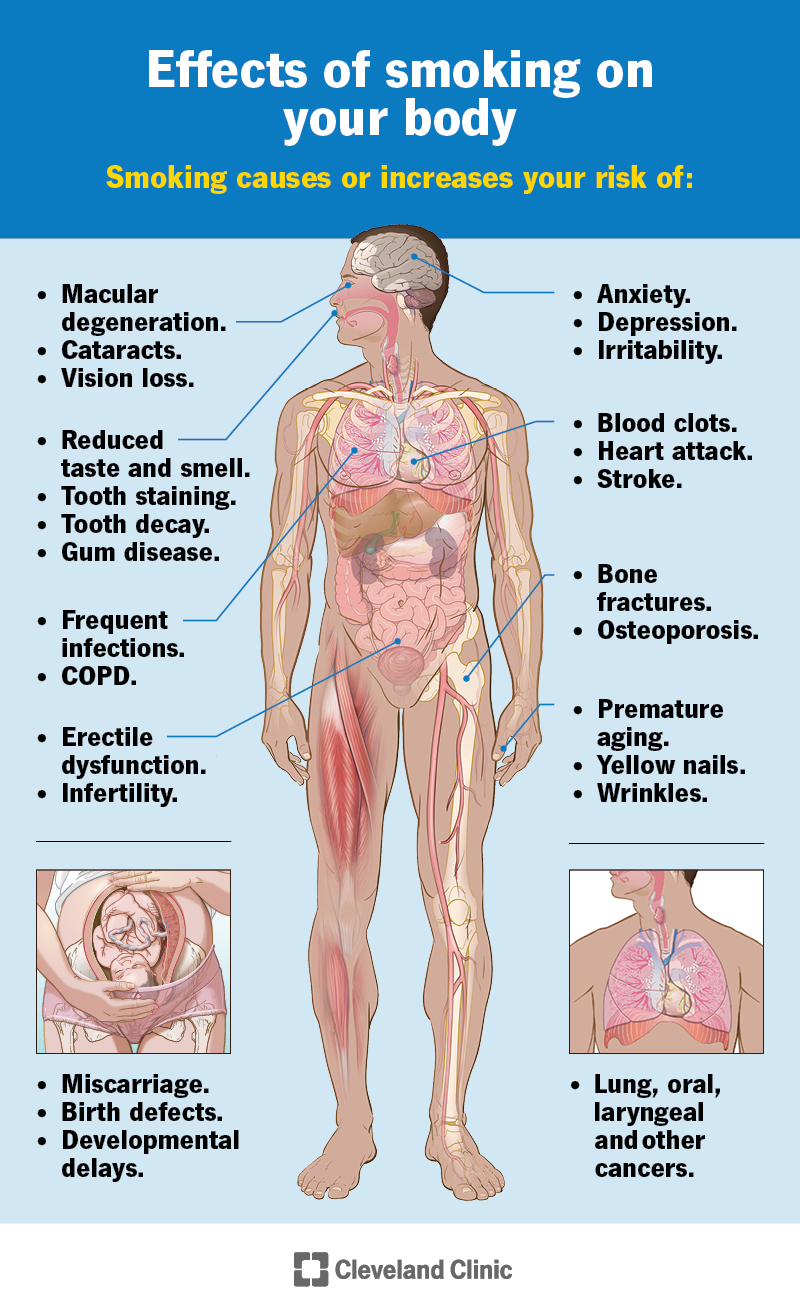
Ludmil Alexandrov of Los Alamos National Laboratory in the United States, one of those who carried out the research, explained that in particular, it had until now been difficult to explain how smoking increases the risk of cancer in parts of the body that dont come into direct contact with smoke