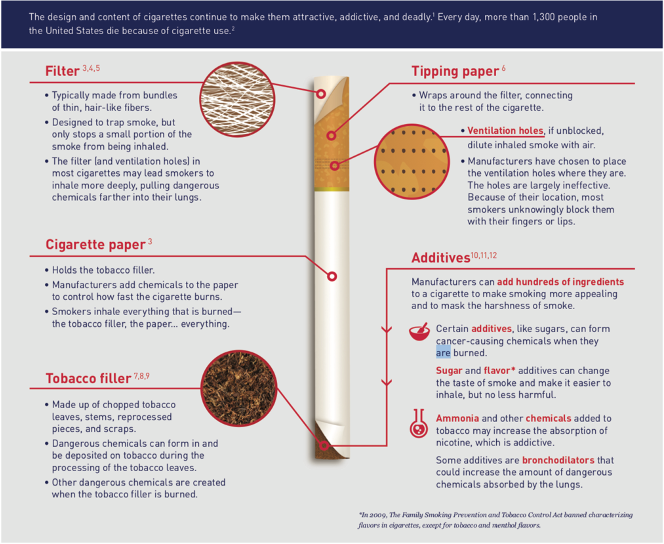
Chemical Composition: What You're Actually Inhaling When comparing 1 cigarette vs 1 joint, the chemical profiles reveal significant differences: Cigarettes contain over 7,000 chemicals, including at least 70 known carcinogens Joints contain cannabinoids, terpenes, and fewer additives, but still produce tar and carbon monoxide when combusted Tobacco smoke contains nicotine, which is highly addictive Cannabis smoke contains THC, which has different addiction potential and mechanisms These chemical differences translate to varying health outcomes
It is a highly addictive substance that affects the physiology of the nervous system therefore leading to hypertension, increased heart rate, and rapid breathing
Similar content being viewed by others Log in or create a free account to read this content Gain free access to this article, as well as selected content from this journal and more on nature.com or References Abrams DB, Niaura RS, Brown RA, Emmons KM, Goldstein MG, Monti PM (2003) The Tobacco Dependence Treatment Handbook: A Guide to Best Practices
This combination creates a distinct smoking sensation that many consumers describe as smoother and more aromatic
There is no known safe level of lead exposure, and lead can negatively impact the entire nervous system, as well as damage the liver and kidneys