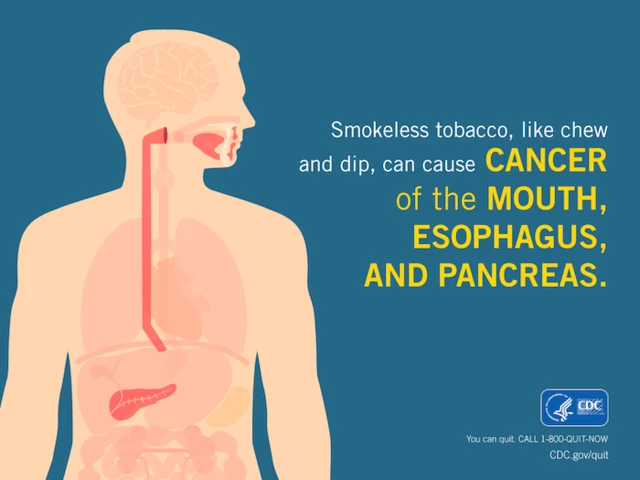
Nicotine pouches circumvent exposure to these potential toxins via synthetic nicotine, improving safety profiles closer to nicotine gums
But smokeless tobacco is not the only culprit
Authors details Dr Janine Nip, ASPIRE Aotearoa Research Centre, and Department of Public Health, University of Otago Wellington Dr Jude Ball, ASPIRE Aotearoa Research Centre, and Department of Public Health, University of Otago Wellington Prof Janet Hoek, Co-Director of ASPIRE Aotearoa Research Centre, and Department of Public Health, University of Otago Wellington Prof Richard Edwards, Co-Director of ASPIRE Aotearoa Research Centre, and Department of Public Health, University of Otago Wellington Dr Michaela Pettie, ASPIRE Aotearoa Research Centre, and Department of Public Health, University of Otago Wellington Melissa-Jade Gregan, ASPIRE Aotearoa Research Centre, and Department of Public Health, University of Otago Wellington References Nutt DJ, Phillips LD, Balfour D, et al
2011;20 Suppl 2(Suppl_2):ii20ii28
2010, Neurobiological mechanisms involved in nicotine dependence and reward: participation of the endogenous opioid system. This neurotransmitter release results in feelings of pleasure and reward, reinforcing the addictive nature of tobacco use